When AI finds what humans miss, and why that Changes Everything
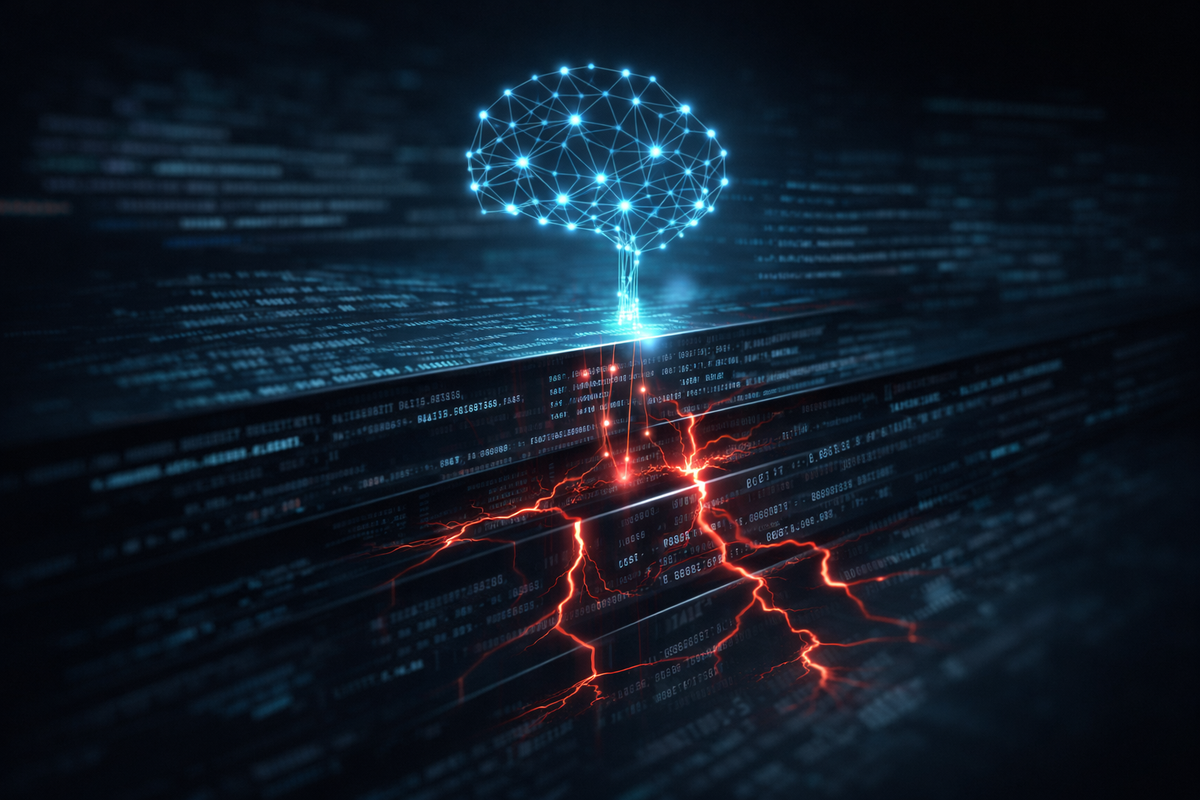
For years, we’ve been comfortable with the idea that software is flawed, but ultimately understandable. Bugs exist, but they are found, documented, and patched.
That assumption is starting to break.
Recent developments show models identifying vulnerabilities that have survived decades of human review. Not obscure edge cases, but structural weaknesses in widely used systems. This is not just an improvement in tooling. It is a shift in capability.
The uncomfortable part is not that AI can find bugs faster. It can explore paths that no human team would realistically test. The search space is simply too large, and now it’s being navigated differently.
This creates a new asymmetry.
On one side, organizations still operate with traditional security models: audits, penetration testing, and staged releases. On the other, systems are emerging that can continuously probe, adapt, and escalate. The gap between those two worlds is where risk accumulates.
What follows is predictable.
Access becomes controlled. Not because of regulation, but because of necessity. If the capability to break systems scales faster than the ability to defend them, unrestricted distribution is no longer viable.
This is already visible in how leading AI labs release their most advanced models. The implication is broader than cybersecurity. We are entering a phase where software is no longer a static asset. It becomes something that is constantly tested, challenged, and redefined by increasingly capable agents.
The companies that adapt will not be the ones with the best tools, but the ones that rethink their operating models:
- Continuous validation instead of periodic testing
- Systems designed for resilience, not just performance
- Security treated as a dynamic process, not a checklist
The real question is not whether AI will expose vulnerabilities.
It already does.
The question is how long current systems can operate under assumptions that are no longer true.